Why Finance a Used Car? The Best Choice for Long-Term Cost
The decision to purchase a used vehicle opens a world of possibilities for drivers who want value without compromise. While many buyers focus exclusively on the vehicle itself, how you pay for that vehicle can be just as important as what you buy. Financing a used car represents a strategic approach that offers numerous advantages […]
The decision to purchase a used vehicle opens a world of possibilities for drivers who want value without compromise. While many buyers focus exclusively on the vehicle itself, how you pay for that vehicle can be just as important as what you buy. Financing a used car represents a strategic approach that offers numerous advantages over both leasing and outright purchases.
Let’s take a closer look at what makes financing a used car a smart decision for many drivers. This approach strikes the perfect balance between immediate affordability and long-term value, providing flexibility that other payment methods simply cannot match. Whether you’re looking at a pre-owned Ford F-150 or a certified pre-owned Ford Escape, understanding your financing options can transform your purchasing experience.
Financial Flexibility: Payment Options That Work for You
One of the most compelling reasons to choose financing for your used car purchase is the flexibility it provides. Unlike a cash purchase that requires significant upfront capital, financing lets you spread the cost over time while still building equity in your vehicle.
You can tailor the structure of used car financing to your specific financial situation. Loan terms typically range from 36 to 84 months, allowing you to balance monthly payment amounts against the overall duration of your commitment. This customization lets you align your car payment with your budget and cash flow realities.
Down payment requirements for used car financing are often more flexible than those for new vehicles or leases. While a larger down payment reduces your financed amount and potentially secures better interest rates, many lenders offer options with minimal initial investment. This accessibility makes quality transportation available to a broader range of buyers without depleting their savings.
Value Retention: A Smarter Investment Strategy
Used vehicles typically experience less depreciation than their new counterparts, making them a more stable investment when financed. This reduced depreciation curve means your loan balance is more likely to remain below the vehicle’s value throughout your financing term.
The finance-to-value relationship in used car purchases tends to be more favourable than with new vehicles. New cars can lose 20-30% of their value in the first year alone, often creating a period of negative equity (owing more than the vehicle is worth). With a quality used vehicle, this depreciation has already occurred, creating a more stable financial position from day one.
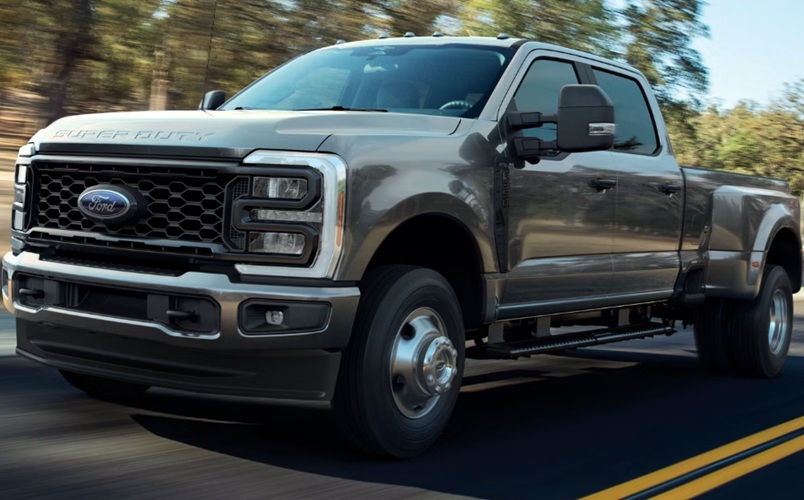
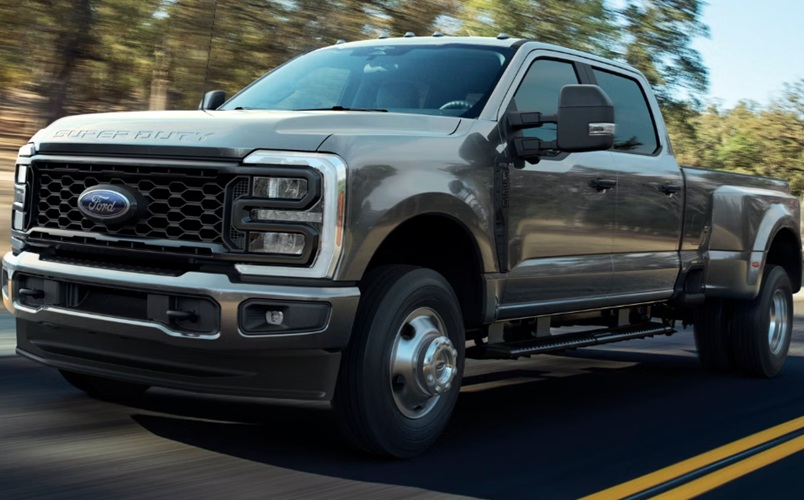
This value retention characteristic is particularly significant for popular models known for their longevity. The Ford F-150, for example, consistently demonstrates strong value retention, making it an excellent candidate for financing. When you finance a used F-150, you’re investing in an asset that will likely maintain its worth relative to your outstanding loan balance.
Lower Overall Costs: Beyond the Purchase Price
The total cost of financing a used vehicle is typically significantly lower than financing a new one, even accounting for potentially higher interest rates. This cost advantage stems from the lower initial purchase price and reduced insurance expenses associated with used vehicles.
Insurance premiums for financed used vehicles are generally lower than those for new models with identical coverage. This ongoing savings contribute to the overall value proposition of used car financing, reducing your total cost of ownership throughout the vehicle’s life.
Registration fees and taxes are typically calculated based on a vehicle’s value, meaning these transaction costs are lower for used vehicles. When financing, these costs can often be rolled into your loan, further reducing your initial out-of-pocket expenses while still resulting in lower overall payments compared to new vehicle financing.
Access to Better Vehicles: More Car for Your Money
Financing a used car often allows you to purchase a higher-end vehicle than you could with the same budget when buying new. This “upgrade effect” means you can potentially access premium features and capabilities that would otherwise be out of reach.
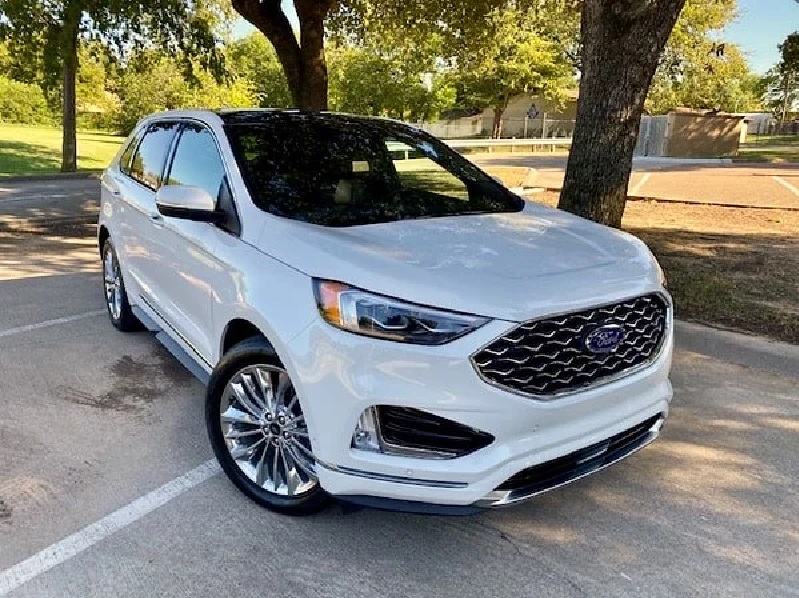
For example, financing a three-year-old Ford Edge Titanium with its premium interior, advanced safety features, and powerful EcoBoost engine might yield monthly payments similar to those for financing a new base-model compact car. This value proposition significantly extends your purchasing power, enhancing your driving experience without stretching your budget.
The certified pre-owned (CPO) segment offers particularly compelling financing options. These vehicles combine the value advantage of used cars with additional inspection, reconditioning, and warranty coverage. Financing a CPO Ford Escape, for instance, provides peace of mind along with financial benefits, making it an intelligent middle ground between new and used purchases.
Credit Building: Financial Benefits Beyond Transportation
Financing a used car represents an excellent opportunity to build or rebuild your credit history. Auto loans are considered “installment credit,” a type of credit that positively influences your credit score when managed responsibly.
The regular payment schedule associated with auto financing establishes a pattern of reliability in your credit profile. Each on-time payment strengthens your credit history, potentially improving your access to favourable financial terms for future purchases or loans.
For those with limited credit history or past credit challenges, used car financing can be more accessible than new car loans. Many lenders offer specialized programs for these situations, providing an entry point to establish or reestablish credit worthiness through automotive financing.
Ownership Advantages: The Freedom of Equity
Unlike leasing, where payments never build equity, financing a used car means every payment brings you closer to outright ownership. This equity-building aspect creates financial flexibility as your loan progresses.
The ownership path created through financing means no restrictions on modifications, no concern about mileage limits, and no penalties for wear and tear beyond normal financing requirements. This freedom lets you truly make the vehicle your own, tailoring it to your specific needs and preferences.
Once your financing term concludes, you own a valuable asset outright. This asset can serve as a trade-in for your next vehicle purchase, be sold independently to recover value, or continue providing transportation without monthly payments. This long-term advantage stands in stark contrast to leasing, where the end of term brings no ownership benefits.
Warranty Options: Protection Without Premium Prices
Many used vehicles, particularly those sold through dealerships, come with remaining manufacturer warranties that transfer to the new owner. When financing such a vehicle, you gain the protection of factory coverage without paying the new-car premium.
Extended warranty options are readily available for financed used vehicles, often at lower costs than comparable coverage for new models. These warranty products can be integrated into your financing, spreading the cost over your loan term for minimal budget impact while providing valuable peace of mind.
Certified pre-owned programs take warranty coverage even further, typically including extended powertrain protection and additional benefits. The Ford CPO program, for instance, includes comprehensive limited warranty coverage along with 24-hour roadside assistance, making these vehicles particularly attractive financing candidates.
Modern Features: Technology Without the Premium
The rapid advance of automotive technology means that even vehicles a few years old often feature sophisticated systems comparable to current models. Financing a used vehicle lets you access these technologies at a substantial discount.
Features like the Ford SYNC infotainment system, advanced driver assistance technologies, and connectivity options are now common in models from recent years. When you finance a used Ford Escape or Edge from within the past few model years, you gain access to these technologies without paying the new-model premium they initially commanded.
The performance capabilities of used vehicles often match or exceed those of current base models. The EcoBoost engine technology in a three-year-old Ford F-150, for example, delivers impressive power and efficiency that remains competitive with current offerings, making it an excellent value when financed.
Reduced Depreciation Risk: Financial Protection
New vehicles typically lose a significant portion of their value within the first years of ownership. When financing a used vehicle, you avoid this steep initial depreciation curve, reducing your financial exposure.
This depreciation advantage creates a more stable loan-to-value ratio throughout your financing term. With less rapid depreciation affecting your vehicle’s worth, you’re less likely to experience negative equity (owing more than the vehicle is worth), providing greater financial security.
The reduced depreciation risk associated with used car financing means more flexibility if your circumstances change. Should you need to sell the vehicle before your loan term ends, the gap between its value and your remaining balance will typically be smaller than with new vehicle financing, reducing potential financial impact.
Greater Selection: More Options Within Your Budget
The used vehicle market offers a tremendous variety, with options spanning various years, trim levels, and optional equipment packages. Financing allows you to consider this full spectrum of choices within your budget constraints.
This selection advantage means you can be more specific about the features that matter to you. Rather than compromising on a new base model, financing lets you find used vehicles equipped exactly as you prefer, from the Ford Escape panoramic sunroof to the Mustang’s performance package.
The certified pre-owned segment further expands your options, offering manufacturer-backed used vehicles with additional benefits. These programs typically include detailed inspection processes, reconditioning to meet specific standards, and extended warranty coverage, making them particularly attractive financing candidates.
Finance Your Next Used Car: The Practical Path to Vehicle Ownership
Financing a used car represents a pragmatic approach to vehicle acquisition that balances immediate affordability with long-term value. This strategy provides access to quality transportation while building equity, avoiding steep depreciation, and maintaining financial flexibility.
Whether you’re looking at a rugged Ford F-150, a versatile Explorer, or an efficient Escape, financing opens doors to vehicle options that might otherwise remain out of reach. The combination of lower purchase prices, reduced insurance costs, and flexible payment terms creates a compelling value proposition for a wide range of buyers.
Visit your local Ford dealer to explore the possibilities that used vehicle financing can offer. Their financing specialists can help you understand the options available for your specific situation, ensuring you find the perfect balance between the vehicle you want and the payment structure you need. Take the next step toward smart vehicle ownership with used car financing—a decision that rewards both today and tomorrow.
Disclaimer: Content contained in this post is for informational purposes only and may include features and options from US or international models. Please contact the dealership for more information or to confirm vehicle, feature availability.