
Why Choose Ford OEM Parts Over Aftermarket Alternatives?
If you’re maintaining or repairing a Ford vehicle in Canada, you may be deciding between Ford OEM parts and aftermarket alternatives. This question usually comes up when replacing components such as brakes, filters, sensors, or engine parts, where multiple options are available at different price points. Understanding the difference is important because the choice affects […]
If you’re maintaining or repairing a Ford vehicle in Canada, you may be deciding between Ford OEM parts and aftermarket alternatives. This question usually comes up when replacing components such as brakes, filters, sensors, or engine parts, where multiple options are available at different price points.
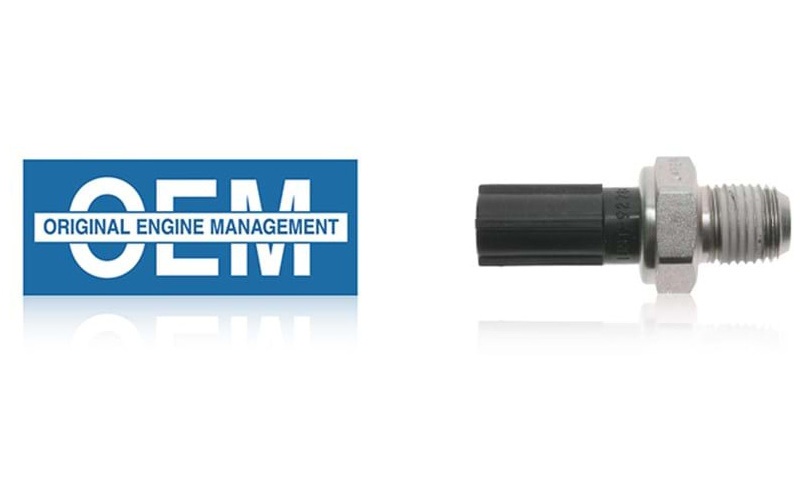
Understanding the difference is important because the choice affects fitment, system compatibility, and how the vehicle performs over time. This article explains what Ford OEM parts are, how they differ from aftermarket options, and what you should consider when deciding which to use.
What is the Difference Between Ford OEM and Aftermarket Parts?
What Ford OEM parts are
Ford OEM (Original Equipment Manufacturer) parts are components that are:
- Designed specifically for Ford vehicles
- Built to the same specifications as the original factory-installed parts
- Tested to match the vehicle’s engineering requirements
The manufacturer installed these parts to match the vehicle’s original specifications exactly.
What aftermarket parts are
Aftermarket parts are produced by third-party manufacturers and are designed to:
- Fit a range of vehicles, including Ford models
- Provide replacement functionality similar to OEM components
- Offer alternative options that may vary in design or materials
Ford does not produce them, and their specifications may vary by manufacturer.
Key difference: design intent
The main difference between Ford OEM parts and aftermarket alternatives is design alignment.
- OEM parts are engineered specifically for Ford systems
- Aftermarket parts are often compatible across multiple applications
This affects how precisely the part integrates with the vehicle.
How OEM Parts Interact with Ford Systems
Modern Ford vehicles use integrated systems where multiple components work together. This includes:
- Engine management systems
- Transmission control systems
- Safety and driver-assist features
- Emissions systems
Ford OEM parts function within these systems without requiring adaptation.
For example:
- Sensors provide data within expected ranges
- Brake components match factory tolerances
- Electronic modules communicate correctly with onboard systems
This consistency helps maintain the original operating behaviour of the vehicle.
Possible Context Behind the Question
Drivers in Canada often compare OEM and aftermarket parts in situations such as:
Routine maintenance
Items like filters, brake pads, and spark plugs are replaced regularly, and multiple options are available.
Unexpected repairs
When a component fails, availability and compatibility become important, especially for electronic or engine-related parts.
Long-term ownership
Owners planning to keep their Ford vehicle for an extended period may want to maintain consistent performance and system behaviour.
Where OEM Parts Make a Clear Difference
1. Exact fit and installation
Ford OEM parts are built to match the original dimensions and mounting points. This means:
- No modification is required
- Installation follows standard procedures
- Sealing surfaces and tolerances align correctly
This is especially relevant for components like gaskets, sensors, and structural parts.
2. System compatibility
Many Ford systems rely on precise calibration. OEM parts ensure:
- Correct communication with the vehicle’s computer systems
- Stable sensor readings
- Expected performance under varying conditions
This is important for components connected to engine control or safety systems.
3. Consistent material specifications
OEM parts are manufactured using materials selected to meet Ford durability and performance requirements. This helps:
- Maintain consistent wear characteristics
- Support proper heat resistance
- Ensure long-term reliability under typical Canadian driving conditions
4. Alignment with factory standards
Using OEM parts keeps the vehicle aligned with its original engineering baseline. This includes:
- Factory performance characteristics
- Emissions compliance
- Calibration settings
Step-by-Step: How to Decide Between OEM and Aftermarket
1. Identify the type of part
Ask:
- Is this a critical system component (engine, transmission, safety)?
- Or is it a general wear item (filters, basic hardware)?
Critical components typically benefit more from OEM alignment.
2. Check system integration level
If the part interacts with:
- Sensors
- Electronic modules
- Engine or transmission controls
Then OEM parts provide more predictable compatibility.
3. Confirm fitment requirements
For parts requiring precise fit:
- OEM ensures direct replacement
- No adjustments or modifications are needed
4. Consider long-term consistency
If maintaining original vehicle behaviour is important:
- OEM parts help preserve factory performance
- System responses remain consistent over time
What to Check / What to Expect
When using Ford OEM parts
You can expect:
- Direct fit with no modifications
- Compatibility with existing vehicle systems
- Performance consistent with original factory setup
These outcomes reflect how the vehicle was engineered to operate.
When evaluating alternatives
If considering non-OEM options:
- Verify part specifications carefully
- Confirm compatibility with your exact Ford model and configuration
- Ensure the component meets required tolerances
Differences may exist depending on the manufacturer.
What is considered normal
- Slight variation in availability between OEM and aftermarket parts
- Differences in manufacturing sources
- Variation in packaging or labeling
These do not necessarily indicate performance differences, but they should be considered when comparing options.
Choose the Best Option for Your Vehicle
Choosing between Ford OEM parts and aftermarket alternatives comes down to how closely you want to maintain your vehicle’s original design and behaviour.
Ford OEM parts are built to match factory specifications, ensuring precise fit, system compatibility, and consistent performance. Aftermarket parts offer alternatives that may vary in design and application.
For components that interact closely with vehicle systems or require exact fitment, OEM parts offer a straightforward, predictable solution. Understanding these differences helps you make an informed decision based on how you use and maintain your Ford vehicle.
Disclaimer: Content contained in this post is for informational purposes only and may include features and options from US or internacional models. Please contact the dealership for more information or to confirm vehicle, feature availability.